
Start my smile experience
Please do not use this form to send health information.
Oops! Something went wrong while submitting the form.
A small chip or worn edge can steal your attention every time you smile. Bonding is a conservative way to smooth, reshape, and restore what’s been bothering you.
Composite dental bonding uses a tooth-colored resin that is applied, shaped, and polished directly onto the tooth to repair chips, smooth worn edges, and close small gaps. Because it is added to the tooth rather than cut into it, bonding preserves healthy enamel. At Opal Dental Studio in Huntersville, NC, Dr. Abbey Gonzales plans bonding around your enamel quality and bite first, so the result blends in and ages well.


Most people don’t come in asking for dental bonding. They come in because they keep noticing the same one tooth — in photos, in the car mirror, on Zoom, or under bright lights. Your teeth can be healthy and still feel a little off when one detail keeps pulling your attention.
Dental bonding often makes sense when:
Tell us what you want to change. We’ll map out the most responsible way to get you there.
Dental bonding can look simple on the surface, but lasting results depend on how well it is planned and finished. Patients in Huntersville, NC, choose Opal Dental Studio because Dr. Gonzales treats bonding as a clinical decision rather than a quick cosmetic add-on.
Successful bonding depends on more than matching a shade. Dr. Gonzales evaluates enamel quality, bite forces, and how the tooth functions before placing any material.
Careful planning helps bonding age well, with fewer issues like chipping or edges that become noticeable.
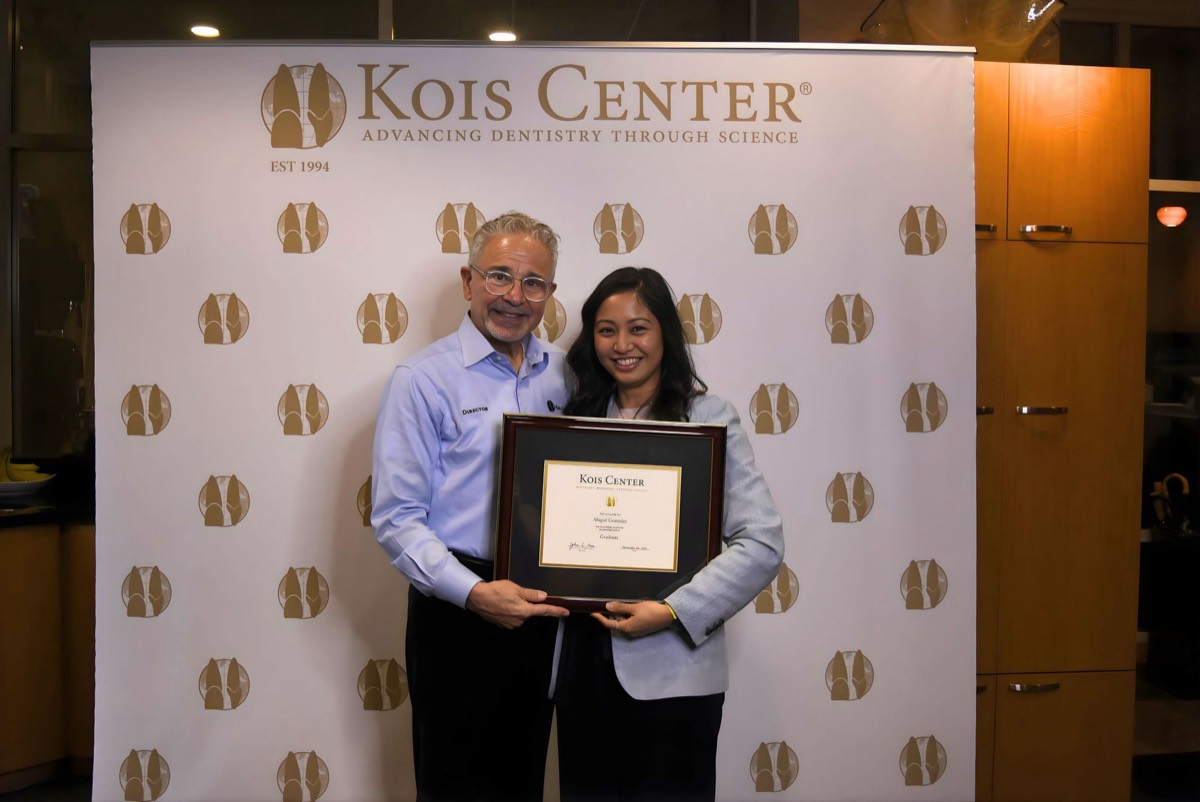
Dental bonding requires careful judgment and precise finishing to look natural and last. Dr. Gonzales’s advanced training at the Kois Center and ongoing esthetic and cosmetic continuing education shape how she evaluates tooth structure, plans shape, and refines details so bonding blends seamlessly into your smile. That background supports better decisions at every step, from diagnosis to long-term wear.
Dr. Gonzales recommends dental bonding when it truly fits the situation. It is not an automatic fix. If a tooth can be left alone or improved another way, she will explain that first.
When bonding is appropriate, you will understand the tradeoffs clearly. That includes:
You will know everything you need to make an educated decision regarding any cosmetic treatment.
If dental visits make you nervous, we take that seriously. Dr. Gonzales explains what she is doing before she does it, checks in throughout the appointment, and keeps the pace steady. Nothing feels rushed or unclear.
When needed, she numbs gently and adjusts her approach to help you stay comfortable. Nitrous is available when appropriate.
Composite bonding uses a tooth-colored resin that is carefully applied, shaped, and polished directly onto the tooth. The material is designed to blend with natural enamel, so changes look subtle and intentional.
Bonding is commonly used to repair small chips, smooth worn edges, close small gaps, and improve overall symmetry. Because it is applied directly to the tooth, it allows for precise adjustments without removing more structure than necessary.
Bonding is excellent for refining shape and small details, but it can stain or wear over time. Dr. Gonzales will explain what to expect based on your bite, your habits, and the specific tooth being treated.
Dental bonding works best for specific, targeted concerns — refining small details without overcorrecting or removing more tooth structure than needed.
In select cases, Dr. Gonzales may recommend advanced composite approaches such as Bioclear or injection-molding. These techniques can plan for symmetry with a digital design and provide improved contours and strength for specific concerns — but they are used only when they truly support the long-term health and appearance of the tooth, or as a short-term option during growth and development.
If spacing or crowding is contributing to the issue, Dr. Gonzales may also discuss teeth whitening or clear aligners as a first step. Creating a better foundation can allow bonding to be functional and predictable.
Dental bonding works best when it is planned carefully. Dr. Gonzales follows a clear process so you know what is being addressed and why.
Four steps, in order, so the plan stays conservative and intentional.
We begin with a focused exam of the tooth or area you want to improve. Dr. Gonzales looks at enamel quality, bite forces, and wear patterns to understand how the tooth functions day to day. You will also talk through what you want to change and what you want to preserve. In the case of a broken tooth, there is often an opportunity to rebuild the same day.
Dr. Gonzales plans the shape, shade, and design of the bonding so it blends naturally with the surrounding teeth. She matches color and translucency carefully and explains what bonding can realistically achieve in your case. You will also review how long bonding typically lasts given your bite, habits, and oral health — and what can shorten or extend that timeline.
When it is time to place the bonding, Dr. Gonzales works conservatively and with precision. The material is designed with nature in mind, then layered, shaped, and refined. Attention is given to texture, edges, and how light reflects off the surface. This detailed work is what allows bonding to look natural in everyday settings.
Before you leave, we check how the bonding feels when you bite, speak, and move your jaw. Small refinements are made as needed so the tooth looks and feels natural in daily use. You will also review simple care guidance and protective measures that help preserve the bonding over time.
If you are ready to fix the detail you keep noticing, book a bonding consultation and get a clear plan.
Composite bonding can hold up well, but how long it lasts depends on everyday factors like:
In many cases, bonding is maintainable and repairable, which allows small adjustments over time rather than starting over.
Clinical studies on direct composite restorations show that longevity varies by case and conditions, reinforcing the importance of thoughtful planning and follow-up care.
How to help bonding last
This approach helps the bonding age predictably and keeps small refinements simple if they are ever needed.
Bonding works when it is used for the right reasons, in the right situations. Here is an honest look at both.
The cost of dental bonding depends on how many teeth are involved, the complexity of the work, and the balance between restorative repair and cosmetic refinement. During your visit, Dr. Gonzales will walk you through a clear plan and timeline so you understand what is being recommended and why.
Supports preventive care and ongoing maintenance, which helps protect your oral health before and after bonding.
See Our Wellness PlanEverything is discussed up front, so expectations are clear and decisions feel informed.
The changes bonding makes are small by design. What patients tend to talk about afterward is not the dentistry — it is not thinking about that one tooth anymore.
Read Patient StoriesDental bonding can last several years, but longevity varies based on bite forces, habits, and oral health. With good home care and regular checkups, bonding often holds up well for many patients. Small repairs or refinements are often possible if wear occurs.
Yes, composite bonding can stain over time, especially with frequent exposure to coffee, tea, red wine, or smoking. Good oral hygiene and polishing during your hygiene visits can help keep bonding looking its best.
Yes. Bonding is commonly used to repair small chips on front teeth. When finished carefully, it can blend seamlessly with the natural tooth and conservatively restore the edge.
Bonding is usually comfortable and often does not require numbing. If the area is significant, sensitive, or if preparation is needed, Dr. Gonzales will numb the area gently to keep you comfortable throughout the visit.
Bonding can close small gaps in select cases. Dr. Gonzales will evaluate spacing, bite, and tooth shape to determine whether bonding is a predictable option for your situation.
Yes. One advantage of bonding is that it can often be repaired or adjusted without replacing the entire restoration. Dr. Gonzales will explain repair options if the bonding is damaged.
Bonding is often a good choice for smaller, more conservative changes, while veneers may be better suited for larger or more durable cosmetic goals. Dr. Gonzales will walk you through the differences so you understand which option fits your needs.
Insurance may help cover bonding when it considers the treatment a repair due to decay or damage, rather than elective cosmetic bonding. Our team will help you understand how your benefits may apply.
If you keep noticing a chip in photos, a worn edge, or one tooth that looks uneven, you don’t have to keep living with it. Book a bonding consultation and get a clear plan built around what you want to change and what makes sense for your teeth. If you’d rather start with a message, you can also contact us, and we’ll take it from there.
Please do not use this form to send health information.