



Start my smile experience
Please do not use this form to send health information.
Oops! Something went wrong while submitting the form.
When a tooth can’t be saved, carefully removing it and planning what comes next matter just as much as the procedure itself.
A tooth extraction is the careful removal of a tooth that has reached the point where saving it would cause more harm than removing it. At Opal Dental Studio, Dr. Gonzales looks for every way to keep the tooth first — and plans what comes next before anything is decided.


Dr. Gonzales’s starting point is always the same: find a way to keep the tooth. Extraction enters the conversation only after restoration options have been genuinely evaluated and a clear clinical reason exists to move in a different direction.
When a tooth has reached the point where saving it would cause more harm than removing it, you’ll know why before anything is decided. What we’re seeing, what it means for your surrounding bone and teeth, and what your options are. Nothing moves forward without that clarity.
An extraction may be the right call when:
If you’re not sure whether your tooth can be saved, that’s exactly the kind of question we work through together before making any decision.
Experiencing tooth pain? Get relief from tooth pain now with Dr. Gonzales. We will look at what is going on, talk through your options, and help you choose what feels right for you.
An extraction is never the default at Opal. Patients across Huntersville and nearby areas choose Opal Dental Studio because Dr. Gonzales treats removing a tooth as a decision to be earned — and plans what comes next before anything is removed.
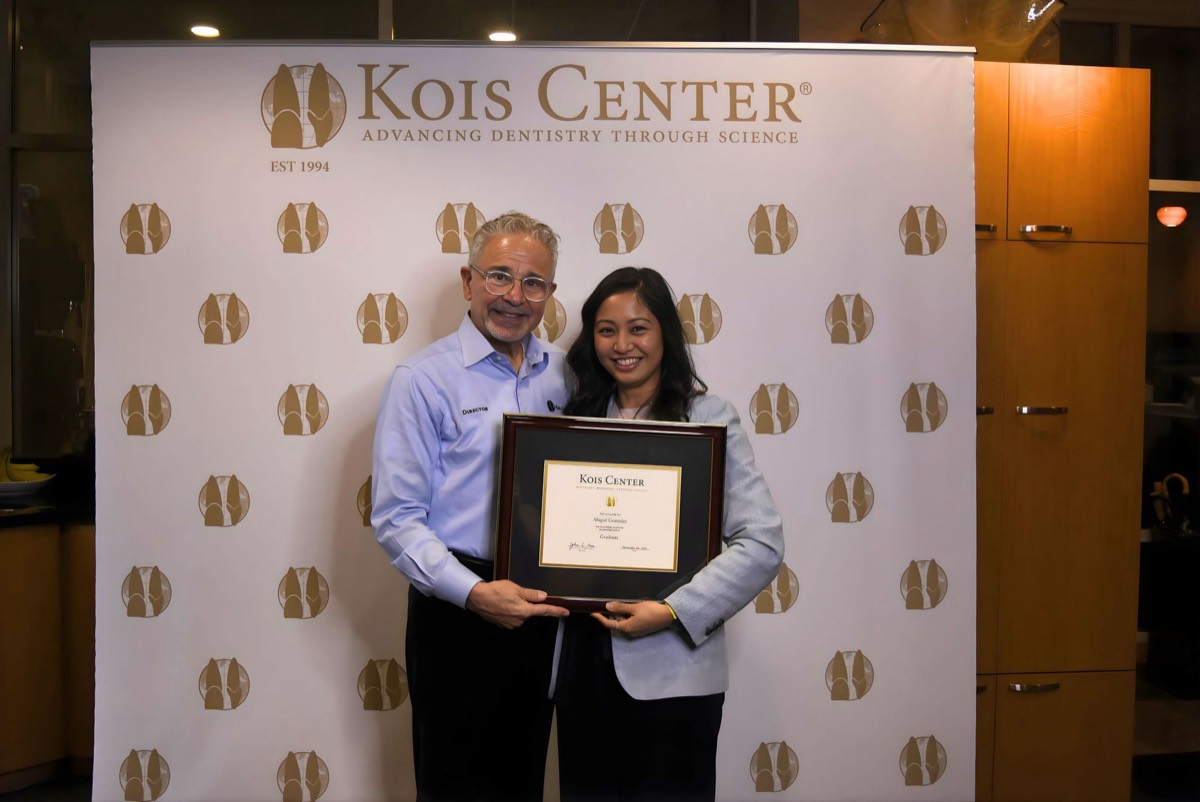
Dr. Gonzales completed advanced training through the Kois Center, where planning centers on function, wear, and long-term stability. That training shapes how extraction decisions are made at Opal: she takes one more look at whether the tooth can still be saved before the extraction conversation moves forward, and nothing is removed without a clear clinical reason.
Before any extraction, Dr. Gonzales reviews your medical history, current medications, and anything that could affect your healing. She takes digital X-rays and, when the anatomy calls for it, 3D cone beam imaging to see the tooth, bone, and surrounding structures in detail — including root shape, angle, and proximity to nearby nerve structures. That detail matters for a safe, predictable procedure.
When it makes clinical sense, Dr. Gonzales places bone grafting material in the socket during the same visit. This maintains jawbone volume while the area heals and keeps your future options intact, especially if you’re considering a dental implant later. It’s built into the plan from the start.
Dr. Gonzales handles both simple and surgical extractions in-office, including most wisdom teeth. When a case is complex enough to require an oral surgeon, she coordinates the referral directly and remains involved in your care throughout.
Many Huntersville patients come in feeling nervous, and we take that seriously. Dr. Gonzales is known for her gentle chairside manner and for taking the time to explain each step before anything begins.
At Opal Dental Studio, relationships come first. When you come in for an extraction, you work directly with Dr. Gonzales, not a rotating team of providers.
Our team takes a “we guide, you decide” approach, giving you clear information and the space to make decisions that feel right for you.
The type of extraction depends on where the tooth sits and what it takes to safely remove it.
A simple extraction is appropriate when the tooth is fully erupted and visible above the gumline. Dr. Gonzales loosens it and removes it without making an incision.
A surgical extraction is used when the tooth is impacted, broken at or below the gumline, or positioned in a way that requires accessing the surrounding bone or gum tissue. Wisdom teeth frequently fall into this category, depending on how they’ve developed and where they sit in the jaw.
The right approach depends on where the tooth sits and what it takes to safely remove it. Dr. Gonzales chooses the approach based on your anatomy rather than what’s fastest — and walks you through the reasoning.
Every extraction at Opal follows the same principle: understand the full picture first, move carefully, and make sure you know what’s happening at every step.
Dr. Gonzales reviews your medical history, current medications, and anything that could affect your healing. She takes digital X-rays and, when the anatomy calls for it, 3D cone beam imaging to see the tooth, bone, and surrounding structures in detail. She also takes one more look at whether the tooth can still be saved before the extraction conversation moves forward.
Dr. Gonzales uses local anesthetic for every extraction. If you want to feel calmer during the procedure, mild conscious sedation is an option when it fits your situation. She walks you through each step before she begins, so nothing feels unexpected.
For a simple extraction, Dr. Gonzales gently loosens the tooth and removes it with precision instruments. When a tooth is impacted, fractured at the gumline, or hasn’t fully erupted, she makes a small incision to access it properly. She chooses the approach based on your anatomy rather than what’s fastest.
When it makes clinical sense, Dr. Gonzales places bone grafting material in the socket during the same visit. This maintains jawbone volume while the area heals and keeps your future options intact, especially if you’re considering a dental implant later. It’s built into the plan from the start.
We send you home with clear post-op instructions and an explanation of what’s normal versus what needs a call. We put a follow-up plan in place based on your case. Dr. Gonzales will explain the importance of tooth replacement and walk you through your options. When you’re ready to move forward, you set the pace.
Most patients feel well enough to return to normal activity within two to three days for non-surgical extractions. The first 24 hours matter most for setting up a smooth recovery.
The first day:
In the days that follow:
Call the office if you experience:
Dr. Gonzales sends you home with written instructions specific to your case. Nothing is left to memory.
A missing tooth does more over time than just leave a gap.
This is why Dr. Gonzales starts the replacement conversation at the extraction appointment. Not to push a decision, but so you leave with a clear picture of your options and what timing looks like.
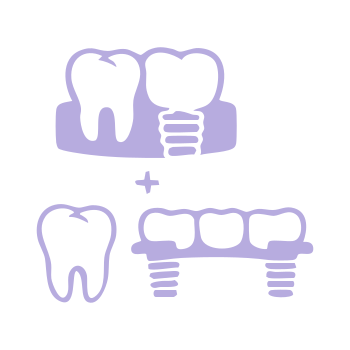
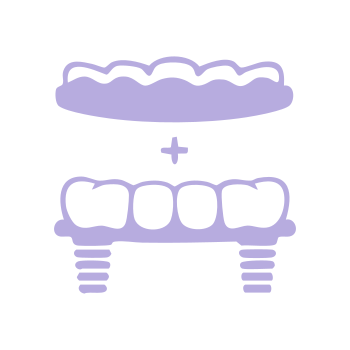
Depending on your situation and goals, that conversation may include a dental implant, an implant-supported bridge, or a partial denture. Socket preservation, often placed at the time of extraction, supports all of these by maintaining the bone volume you’ll need.
The timeline is yours.
Extraction is a last resort, not a starting point. Dr. Gonzales looks for a way to keep the tooth first, and removal enters the conversation only when a clear clinical reason exists to move in a different direction.
If your tooth can still be saved, Dr. Gonzales will tell you that first. You’ll know what we’re seeing, what it means for your surrounding bone and teeth, and what your options are before anything is decided.
Answer two quick questions and see whether an extraction is likely the right next step, in about a minute.
Someone from our office will review your details and call you. Please don't include sensitive health details here.
Every visit has a story. These are about trust, care, and the people behind the smiles.
What you pay depends on a few factors: whether your extraction is simple or surgical, whether imaging is needed, and whether socket preservation is placed at the same visit. Before anything begins, you’ll know what to expect financially — here’s how insurance, financing, and our Dental Wellness Plan fit in.
Can reduce the cost of ongoing care, especially for patients without traditional insurance.
See Our Wellness PlanDr. Gonzales uses local anesthetic for every extraction, so you should feel pressure and movement but not pain during the procedure. Some soreness afterward is normal and typically manageable with over-the-counter medication.
Most patients feel well enough to return to normal activity within two to three days. Full soft tissue healing takes longer, usually a few weeks. Dr. Gonzales gives you specific guidance based on your case before you leave.
Socket preservation is a bone grafting procedure placed in the extraction site immediately after the tooth is removed. It maintains jawbone volume while the area heals. Whether it makes sense depends on your anatomy, your healing factors, and what you want to do with the space long term.
In some cases, yes. Immediate implant placement is possible when there is enough healthy bone, and the site is free of active infection. Dr. Gonzales evaluates this on a case-by-case basis.
Impaction, recurring pain or swelling, pressure on neighboring teeth, and crowding are common signs. Dr. Gonzales reviews your imaging and gives you a direct answer based on what she actually sees, not a general rule.
Coverage varies by plan. Simple extractions are more commonly covered than surgical ones. We help you understand your benefits before treatment begins and file claims on your behalf when applicable.
Soft foods for the first day or two: soups, yogurt, eggs, mashed foods. Avoid anything hard, crunchy, or chewy near the extraction site until it has had time to heal. Dr. Gonzales gives you a full list before you leave.
Call if you experience severe or worsening pain after the first two days, heavy bleeding that doesn’t settle, fever, or swelling that’s getting worse rather than better. These can be signs of dry socket or infection that need attention.
It depends on the case. When socket preservation is performed, an implant is typically placed after several months of healing. In some situations, immediate placement is possible. Dr. Gonzales maps out a realistic timeline during your visit so you know what to plan for.
For a simple extraction with local anesthetic only, most patients drive themselves without any issue. If you opt for conscious sedation, you will need a driver. Dr. Gonzales discusses this with you during comfort planning so you can arrange accordingly before your appointment.
Cost depends on whether the extraction is simple or surgical, whether imaging is needed, and whether socket preservation is placed at the same visit, so the only accurate number comes from a consultation. Opal is out of network, files insurance as a courtesy, and offers Cherry & CareCredit financing and a Dental Wellness Plan.
If a tooth has been on your mind, whether it’s pain, an infection, or something that just doesn’t feel right, this is where to start. Dr. Gonzales looks at the full picture, tells you what she sees, and gives you options. You don’t have to come in knowing the answer.
Please do not use this form to send health information.