

Quick answer: Holistic dentistry (sometimes called biological or integrative dentistry) is an approach that treats the mouth as part of the whole body and emphasizes biocompatible materials, minimally invasive techniques, and a strong preventive focus. Some of it is well-supported by mainstream science. Some of it isn't. The label itself is unregulated, so what you get depends entirely on the dentist's training, ethics, and willingness to give you informed choices instead of mandates.
Highlights:
- "Holistic" is a self-designated term and NOT a certification
- The mouth-body connection is mainstream science (both the ADA and AHA acknowledge it)
- SMART amalgam removal is a defensible safety protocol
- Patient choice on fluoride, materials, and treatment plans is the real differentiator
- Some claims (like blanket rejection of all root canals) lack solid scientific support
I'll be straight with you. I don't call myself a holistic dentist.
I get why patients use the term, and I never correct them when they do. But the word itself sits a little awkward with me. It lumps together genuinely thoughtful, science-based care with claims that haven't held up to peer review.
Part of the trouble is that everybody designs their own version of it.
One practice brands itself "non-toxic," then drills and fills every fissure it can find with materials that aren't all that natural either, and barely says a word about prevention.
Another uses the same label to mean careful, conservative, evidence-led care. Same word on the door, opposite habits inside. Some practices wearing it are excellent. Others are mostly selling worry.
What I'd rather call what we do at our Huntersville practice is optional, biological dentistry. Meaning: you get the science, you get every reasonable choice laid out clearly, and the decision is genuinely yours.
The kid who isn't ready for fluoride doesn't get pushed into it. Adults aren't told they must remove their amalgam fillings. Nobody gets pressured into a treatment plan because we decided they "should" want it.
If that lines up with what you've been searching for when you typed "holistic dentist near me," good. Let me walk you through what the term means, what's backed by real evidence, and what to be careful about.
What is holistic dentistry?
Holistic dentistry, sometimes called biological or integrative dentistry, is a philosophy of care that treats the mouth as part of the body's larger ecosystem rather than a separate compartment.
Practitioners typically emphasize four things:
- biocompatible (non-mercury) materials
- minimally invasive treatment
- strong nutritional and preventive focus
- respect for how oral health affects overall wellness
The actual procedures overlap heavily with standard dentistry, with selective additions like ozone therapy, SMART amalgam removal, and airway-aware care.
The term itself is loose. There's no governing body that certifies someone as a "holistic dentist," which means two practices using the same label can offer wildly different experiences.
One might be a mainstream-trained dentist who simply prefers composite over amalgam and respects patient autonomy.
Another might recommend you avoid root canals based on claims that aren't supported by current evidence.
Where I land is different from both. I'll always put root canal therapy on the table as a real option, because leaving it off the menu wouldn't be fair to you. I'll also be straight that a root canal isn't permanent, and if infection shows up again later, revision dentistry gives us a way to handle it.
That ambiguity is the main reason I dodge the label myself. The work I do is grounded in what I learned at the Kois Center in Seattle and through years of clinical practice.
Most of it overlaps with what holistic dentists do.
Why I don't love the term (and why I still answer the question)
Here's why I avoid calling myself holistic, even though many patients find me by searching for that word.
"Holistic" implies a worldview as much as a clinical approach. When that worldview includes rejecting well-studied treatments because they don't fit a particular philosophy, what was supposed to be patient-first care quietly becomes practitioner-first.
I want to be the dentist who explains your options clearly, never the one who decides for you what's spiritually compatible with your body.
What I will own is:
- Biocompatible-aware
- Preventive
- Minimally invasive
- Consent-based
If that's holistic, fine. I just want patients to understand that the values matter more than the label.
What is the difference between a regular dentist and a holistic dentist?
The difference is mostly philosophical, not procedural.
A regular dentist follows ADA-aligned standards of care and typically uses materials and protocols approved as safe and effective.
A holistic dentist follows the same core procedures but adds a heavier emphasis on:
- biocompatible materials (avoiding mercury amalgam, sometimes avoiding fluoride)
- nutritional counseling
- airway and TMJ awareness
- protocols like ozone therapy or SMART removal
Both are fully licensed dentists. The key differentiator is treatment philosophy and patient-choice orientation.
In practice, the line is blurrier than it sounds. Many mainstream dentists have moved away from amalgam, taken Kois or Spear advanced training, and adopted airway screening into their routine. The "holistic" approach is increasingly just modern, comprehensive dentistry with a different label on the door.
What I tell patients during our dental exams and cleanings appointments: the materials in your mouth matter, your overall health matters, and your right to decline a recommendation matters.
None of that is fringe. It's just good care.
Are holistic dentists legitimate?
Yes, with a caveat. Any practicing holistic or biological dentist must be a licensed DDS or DMD who completed an accredited dental school, passed national and state board exams, and maintains continuing education credits. They're legitimate dentists.
Whether a specific practitioner's recommendations are grounded in solid science varies from one practice to the next, because the term itself isn't regulated.
The better question is: does this particular dentist's approach hold up to current evidence? When evaluating a practice, look for things like membership in mainstream professional organizations, advanced training credentials (Kois, Spear, Dawson, AAID), and a willingness to explain why they recommend or avoid certain treatments.
Be wary of practices that lean on fear-based marketing about toxins, root canals, or "energy" connections without clinical reasoning.
What do holistic dentists do instead of root canals?
Most biological dentists will still perform or refer for root canal therapy when it's the right clinical choice. The ones who avoid root canals entirely typically recommend extraction followed by a zirconia implant or a bridge, citing concerns about residual bacteria in the treated tooth.
The scientific basis for blanket root canal avoidance is weak. Major systematic reviews have not found strong evidence linking properly performed endodontic treatment to systemic disease.
My approach is straightforward. If a tooth can be saved with a well-done root canal and crown, that's usually the better long-term outcome for your bone, your bite, and your wallet. If a tooth is unrestorable or the prognosis is poor, extraction with a thoughtful replacement plan like an implant: zirconia, or titanium makes more sense.
A root canal isn't bacteria-proof forever, and I tell patients that up front. Years down the road, infection can come back, and that's where revision dentistry (redoing or repairing the original work) earns its place.
Think about a hip or a knee replacement. Those don't last forever either, and nobody calls the surgery a waste because of it.
Your mouth is warm, wet, and working all day long. Expecting any dental work to last a lifetime without a tune-up just isn't realistic.
The decision should be based on the actual tooth in front of me, never on philosophy alone.
Why do holistic dentists not like root canals?
The concern dates back to early 20th-century theories (the "focal infection" hypothesis, often associated with Weston Price) that proposed bacteria from treated teeth could cause systemic illness. The theory was largely abandoned by mainstream dentistry decades ago when better evidence didn't support it.
Some biological dentists have revived versions of the concern using updated language about biofilms and cavitations. The science remains contested, and the broader dental and medical community does not currently support routine root canal avoidance.
If a dentist tells you all root canals are dangerous, ask what specific peer-reviewed evidence they're drawing from. A thoughtful answer will reference actual studies. A vague answer about toxins or energy is a red flag.
Do holistic dentists treat TMJ?
Yes. TMJ disorder (TMD) is one of the most commonly treated conditions in biological and integrative practices, often using a combination of bite analysis, custom oral appliances, posture and breathing assessment, and referrals to physical therapy, myofunctional therapy, or massage.
The science here is solid. TMJ care has become genuinely interdisciplinary, and many of the techniques used in holistic practices (occlusal splints, airway-aware appliance design, behavioral coaching for clenching) are also taught at advanced mainstream programs like Kois.
This is one area where we work closely with patients at Opal Dental Studio in Huntersville, NC. TMJ pain is rarely just a jaw problem. It usually involves the bite, the airway, stress patterns, and posture, and we screen for all of it.
A quick note on airway, because North Carolina has specific rules here. Under our state's dental practice guidelines, we screen for airway-related concerns and discuss what we observe with you, but we don't diagnose sleep apnea. Diagnosis of a sleep-breathing disorder is a physician's job.
What we can do is:
- identify the signs
- walk you through what we're seeing
- coordinate care with your primary doctor or a sleep specialist when it's appropriate
What mineral will rebuild teeth and gums?
No single mineral can fully rebuild teeth or gums once damage is significant. What can happen is remineralization of very early enamel lesions, where calcium and phosphate (often delivered through fluoride or nano-hydroxyapatite toothpaste) repair or seal microscopic surface damage before it becomes a true cavity.
For gum tissue, vitamin C, vitamin D, and adequate protein support healing, but minerals alone won't regrow lost gum or bone. That usually requires clinical intervention.
The honest answer most patients don't want to hear: prevention works, dietary support works, and no toothpaste regenerates cavitated tooth surfaces or rebuilds a receded gumline. If a product or protocol promises either of those, be cautious.
For patients who prefer to avoid fluoride, nano-hydroxyapatite (often listed as nHA or hydroxyapatite on the ingredient label) is the alternative I most often recommend for daily use.
It's well-studied, naturally biocompatible (it's literally what your enamel is made of), and a reasonable choice for adults and for most kids in our pediatric dentistry program.
How dentistry works at our Huntersville office
What I'd rather call what we do at our Huntersville practice is optional, biological dentistry. Meaning: you get the science, you get every reasonable choice laid out clearly, and you decide.
That doesn't mean you're left to figure it out on your own, or that everything's up for grabs.
When something is urgent, I'll tell you plainly. When there's a real judgment call (which material, treat it now or keep an eye on it, fluoride or no fluoride), that part is genuinely yours.
Some of it is honestly up to you. Materials, timing, and whether you want fluoride.
Some of it isn't, and when a problem needs attention now, I'll say so without softening it.
My job is to make that line obvious, so you're never left guessing about what's urgent and what can wait.
For patients with old mercury fillings who want them out, we follow the SMART amalgam removal protocol developed by the IAOMT:
- rubber dam isolation
- high-volume suction
- supplemental oxygen
- particulate filtration
Families who prefer fluoride-free preventive care get hydroxyapatite-based alternatives.
If you have TMJ symptoms or suspected airway concerns, we screen for both and refer when appropriate.
With kids, we keep things gentle, explain everything in their language, and never use shame as a motivator.
That's the bone-deep difference. Not the materials. Not the label. You're treated as the decision-maker in your own care.
Key takeaways
- "Holistic" isn't regulated. It's a self-applied label that can mean anything from excellent science-based care to fringe claims.
- The mouth-body connection is real. That part isn't controversial. Inflammation in your gums affects your cardiovascular and immune systems.
- SMART amalgam removal is a defensible safety practice. It minimizes mercury vapor exposure during removal, which is sensible regardless of philosophy.
- Blanket root canal avoidance isn't well-supported. Some specific cases warrant extraction, but rejecting all root canals isn't backed by current evidence.
- You can have biocompatible, fluoride-optional, airway-aware care without the buzzword. That's what we mean by optional dentistry.
- The right dentist gives you informed choices. That's the actual difference worth searching for.
About the Author
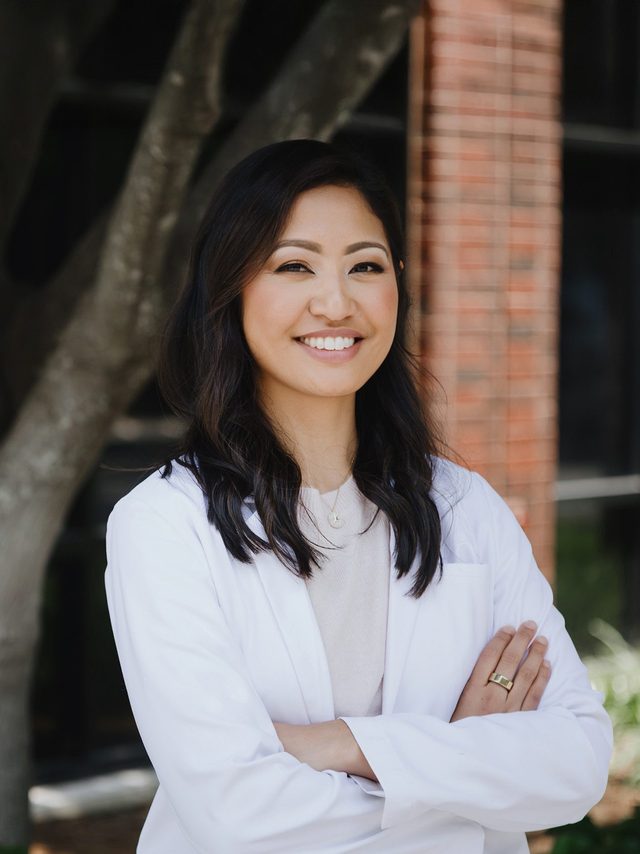
Dr. Abbey Gonzales is the owner and founder of Opal Dental Studio in Huntersville, North Carolina. She earned her Doctor of Dental Surgery from the UNC School of Dentistry after first completing a Master of Arts in Intercultural Healthcare at Wake Forest University and serving as a Public Health Fellow. She's a graduate of the Kois Center and imPRES-trained in advanced esthetic dentistry. Her clinical focus is consent-based, biocompatible care with strong attention to TMJ, airway screening, and minimally invasive treatment.
Before dentistry, she trained as a linguist and is fluent in Tagalog, Spanish, and English. Her path to dental school was personal. Her mother immigrated from the Philippines and lost most of her teeth by age 20, then made it her mission that her daughter would keep every one of hers. That dedication is what planted the seed.
Outside the office, Dr. Abbey Gonzales is an Ironman athlete and marathon runner, a serious foodie, a traveler, and a pianist working through new pieces between cases. You might catch her cycling through downtown Huntersville before or after a clinic day.
Frequently Asked Questions
Is holistic dentistry recognized by the ADA?
No. “Holistic dentist” is not an official specialty or certification recognized by the American Dental Association. Dentists using the label are still licensed DDS or DMD providers.
What is biological dentistry?
Biological dentistry is another term often used interchangeably with holistic dentistry. It generally refers to dentistry focused on biocompatible materials, prevention, minimally invasive treatment, and the mouth-body connection.
Do holistic dentists use fluoride?
Some do, and some don’t. Many holistic dentists offer fluoride-free options while still discussing the scientific evidence behind fluoride so patients can make informed choices.
Are mercury fillings dangerous?
Existing amalgam fillings are generally considered stable by mainstream dental organizations. The bigger concern is minimizing exposure during removal, which is why some dentists follow SMART removal protocols.
What is SMART amalgam removal?
SMART stands for Safe Mercury Amalgam Removal Technique. It uses protective protocols like rubber dams, filtration, high-volume suction, and supplemental airflow during filling removal.
Do holistic dentists believe in root canals?
Some holistic dentists perform root canals routinely, while others prefer extraction-based approaches. Mainstream evidence still supports properly done root canal treatment as safe and effective in many cases.
Can oral health really affect the rest of the body?
Yes. Gum disease and chronic oral inflammation have been linked to systemic conditions involving cardiovascular health, diabetes, pregnancy complications, and immune function.
What toothpaste do holistic dentists recommend?
Many recommend hydroxyapatite toothpaste, fluoride toothpaste, or both, depending on the patient’s risk factors, age, and preferences.
Do holistic dentists treat sleep apnea?
Dentists can screen for airway and sleep-breathing concerns, but diagnosing sleep apnea typically requires a physician and a formal sleep study.
Is ozone therapy in dentistry evidence-based?
The evidence is mixed. Some dentists use ozone as an adjunctive therapy for bacteria management and healing support, but it is not considered a replacement for standard dental treatment.
Are ceramic or zirconia implants safer than titanium?
Current evidence supports both materials as biocompatible options. The right choice depends more on the specific clinical case, bone structure, esthetics, and patient preferences.
How do I know if a holistic dentist is reputable?
Look for strong clinical training, transparency, evidence-based explanations, advanced continuing education, and a willingness to discuss both benefits and limitations honestly.
Have questions about your care?
Dr. Abbey Gonzales and the team at Opal Dental Studio are here to help — thoughtful, modern dentistry in Huntersville, NC.
Book an Appointment