

A custom night guard from your dentist protects grinding teeth better than a store-bought one because it is hard, covers every tooth, and fits your bite. A drugstore guard costs far less and works as a short-term stopgap. Most drugstore guards are soft, though, and soft guards can make some people clench harder. A mail-order lab guard sits in between, with a closer fit and no exam.
- Material matters more than price. In a small sleep study, a hard guard lowered nighttime jaw-muscle activity in eight of ten people, and a soft guard raised it in five of ten.
- Store-bought guards cost $11 to $42 on shelves near Huntersville. Dentist-made guards usually cost several hundred dollars and can reach about $1,000.
- Custom guards last several years. Store-bought guards often need replacing a few times a year.
- Fit and coverage decide safety. Over-the-counter grinding guards have been linked to choking, sore gums, and bite changes, and none are built to cover every tooth.
- A guard protects your teeth without stopping the grinding. The exam that comes with a custom guard is where I look for the cause.
What is the difference between a custom and a store-bought night guard
A custom night guard is made in a dental lab from a scan of your teeth, while a store-bought guard comes in one shape or softens in hot water so you can bite it into place.
Both sit between your upper and lower teeth while you sleep and take the force of grinding. The differences come down to fit, material, and coverage.
How a store-bought guard fits
Store-bought guards come in two ways. A stock guard goes in straight out of the box. A boil-and-bite guard softens in hot water and molds around your teeth when you bite into it.
Both are shaped for an average mouth. The fit ends up loose in some spots and tight in others.
How a custom guard fits
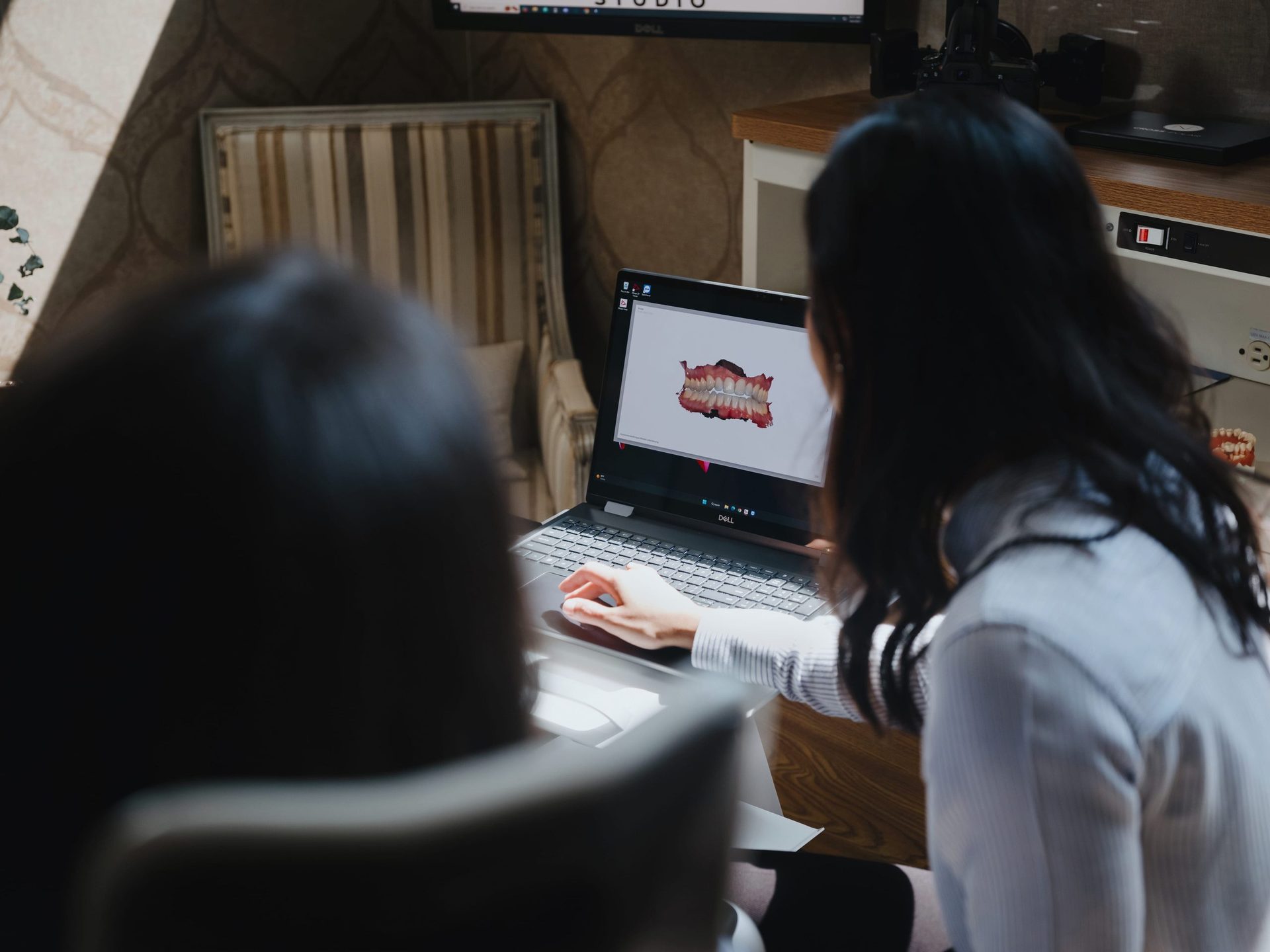
At Opal, I take a digital scan of your teeth, and a lab makes a thin, hard acrylic guard from it. At the fitting, I check how your teeth meet on the guard and adjust it in the chair so your bite lands evenly on both sides.
Why coverage matters
A guard that covers every tooth on the arch spreads the force evenly. Store-bought designs are not built to guarantee that coverage. A guard that leaves some teeth uncovered for months can let those teeth drift.
Night guard types compared
| Drugstore guard (stock or boil-and-bite) | Mail-order lab guard | Custom guard from your dentist | |
|---|---|---|---|
| How it is made | Preformed, or softened and bitten into shape | Lab-made from impressions you take at home | Lab-made from a scan your dentist takes |
| Material | Mostly soft | Soft, hard, or hybrid options | Usually hard acrylic for grinders |
| Fit | Approximate | Depends on your home impressions | Checked and adjusted in the chair |
| Exam of your teeth and bite | None | None | Included |
| Typical price | $11 to $42 | About $90 to $240 | Several hundred dollars, up to about $1,000 |
| How long it lasts | Replaced a few times a year | Varies by material | Several years with good care |
| Paying for it | HSA funds can be used | Many are HSA or FSA eligible | Some dental plans cover part, and HSA funds can be used |
Drugstore prices are what stores near Huntersville charged in November 2026. Mail-order prices are what lab brands listed online the same month.
Are store-bought night guards effective?
Store-bought night guards can protect your teeth for a short stretch, but they protect less than a custom guard and wear out within months.
A drugstore guard puts a layer of plastic between your teeth, and that beats bare enamel grinding on bare enamel. The trade-off is a looser fit and softer material.
When a drugstore guard makes sense
- You are waiting on a custom guard.
- You want to find out whether you can sleep with something in your mouth.
- A stressful few weeks have you clenching, and you need short-term protection.
Where a drugstore guard falls short
A soft guard flexes under your teeth, and some people chew on it all night. The fit loosens as the material wears down.
A guard that slides around can leave your teeth, gums, or jaw sore. That soreness is a fit problem.
Hard vs soft night guards
For grinding, a hard guard protects better than a soft one, because soft material invites some people to chew and clench.
In a small sleep study of ten people, a hard guard lowered nighttime jaw-muscle activity in eight of them, while a soft guard raised it in five. Only one person had less muscle activity with the soft guard.
Ten people is a small group, and the study is decades old. The finding still lines up with how dentists build guards for grinders today, and it is why the guards I make for grinding are hard acrylic.
What about hybrid guards
Hybrid guards pair a soft inner layer with a hard outer surface. The hard surface does the protecting, and the soft layer adds comfort for sensitive teeth.
How much does a custom night guard cost
A custom night guard from a dentist usually costs several hundred dollars and can reach about $1,000. The material, the lab, and whether adjustment visits are included all change the price.
Let's do the math on a year of protection
Here is a simple example. A $25 drugstore guard replaced three times a year costs about $75 a year. A $600 custom guard that lasts four years costs about $150 a year.
So the drugstore guard is cheaper per year. The extra money buys hard material, full coverage, a fit checked in your mouth, and a dentist watching your wear at every checkup.
For a heavy grinder, or a patient with crowns, veneers, or implants to protect, that difference carries more weight than the yearly cost.
Does insurance cover a night guard?
Some dental plans cover part of a night guard when your dentist documents grinding damage, and others leave it out. Coverage also depends on your annual maximum and how often your plan allows a new guard.
If you call your plan, ask about code D9944. That is the code for a hard night guard that covers the full arch.
Opal is out of network with every insurance company, and we file your claim for you. HSA funds can pay for custom and store-bought guards.
How long do custom night guards last
A custom night guard usually lasts several years with good care, and store-bought guards often need replacing a few times a year. Kids may need new ones more often as their mouths grow.
What wears a guard out
How hard you grind decides most of it, since heavy grinding wears the biting surface down faster. Heat can also warp a guard and change the fit.
Signs it is time for a new guard
- Cracks, or a spot worn thin or through
- A fit that feels loose or no longer snaps into place
- New soreness in your teeth, gums, or jaw while you wear it
- A warped shape after heat
- New crowns or fillings that changed the shape of your teeth
Bring your guard to every checkup. I look for cracks, thin spots, and a loose fit.
How to clean a night guard
Brush your teeth, then put the guard in. Each morning, rinse it in cool water, brush it with soap and water, and let it air dry.
Keep it in a vented case, away from hot water, direct sun, and pets.
What about mail-order custom night guards
A mail-order night guard is made in a lab from impressions you take at home, so it fits closer than a boil-and-bite guard and comes with no dental exam.
What you get
You order a kit, bite into trays of impression putty, and mail them to a lab. The finished guard comes back in the mail. Prices online run about $90 to $240.
What you give up
The fit depends on how well you take your own impressions. No dentist checks how your teeth meet on the guard in person.
The bigger gap is the exam. A mail-order kit has no way to spot a cracked tooth, decay under an old filling, or signs of a breathing problem during sleep. Those are the things I look for when a patient comes in for a guard.
Who it can work for
A hard mail-order guard can be a reasonable middle ground for some people. That means a recent dental exam, mild grinding your dentist confirmed, and no crowns, implants, or jaw pain.
Who needs a custom night guard?
A custom guard is the better choice when grinding is frequent or heavy, or when you have dental work to protect. The same goes for grinding that comes with jaw pain or headaches.
Heavy or nightly grinders
If you wake with a sore jaw or temple headaches most mornings, or your teeth look flatter or chipped, those are classic signs you're grinding your teeth. A hard, full-coverage guard holds up to nightly wear. That matters because enamel cannot grow back once it wears away.
People with crowns, veneers, bonding, or implants
Grinding chips and wears dental work the same way it wears teeth. A guard spreads the force across all your teeth so one crown or veneer does not take the full load.
I fit guards over existing dental work all the time. A guard also protects dental implants and a full mouth reconstruction from the same forces.
People with jaw pain or headaches
Grinding with jaw pain, clicking, or morning headaches loads the jaw joint and muscles. A custom guard protects the teeth and eases some of that muscle strain.
Grinding can come with TMJ headaches, one-sided jaw pain, or jaw clicking. When the joint needs more than a guard, I treat it with TMJ therapy.
People who snore or stop breathing at night
If you snore loudly or wake up gasping, tell me at your exam. A few small studies suggest a standard upper guard may make sleep apnea slightly worse in some people who have it.
I do an airway screening at the exam and coordinate with your physician or a sleep specialist when your breathing needs a closer look.
Common mistakes and myths about night guards
Myth: A night guard stops grinding
A guard protects your teeth and restorations. The grinding usually continues, so plan to wear it for as long as you grind.
Mistake: Wearing a sports mouth guard to bed
Sports guards are thick and soft and made to absorb a hit. At night, some people chew on them, which works the jaw muscles harder.
Mistake: Wearing a partial guard every night for months
Store-bought guards are not designed to guarantee every tooth is covered. Reported problems with over-the-counter grinding guards include choking hazards, injuries to the gums and mouth, and changes to the bite. Uncovered teeth can move when a partial guard stays in night after night.
Myth: Softer is better because it feels more comfortable
A soft guard can feel nicer on the first night. For grinders, hard material lasts longer, and in the study above it kept the jaw muscles calmer.
Mistake: Keeping a guard that no longer fits
A loose or warped guard can leave your teeth, gums, or jaw sore. If it no longer snaps into place, replace it.
Mistake: Rinsing a guard in hot water
Heat warps the plastic and changes the fit. Cool water and a soft brush do the job.
What if my night guard situation is different
What if my child grinds their teeth
Grinding is common in children, and many grow out of it. A child's mouth keeps growing, so a guard that fits today may not fit for long.
I check wear, bite, and airway at every visit. Snoring or mouth breathing on top of grinding tells me to look closer at your child’s airway.
What if I only clench during the day
Daytime clenching responds well to habit change, so I start there: lips together, teeth apart, tongue resting on the roof of your mouth. Gentle jaw stretches and warm compresses ease sore muscles at the end of the day.
What if I already bought a drugstore guard
Keep using it for now and bring it to your exam. I will check how it fits and where it is wearing.
What if my guard makes my jaw hurt
Stop wearing it and book a visit. A guard that does not fit can leave your teeth, gums, or jaw sore, and a custom guard can be adjusted in the chair.
Red flags
- A guard that is cracked through or has a hole worn in it. Replace it.
- Teeth that no longer meet the way they used to. Possible bite change. Stop wearing the guard and book an exam.
- Gum or cheek sores where the guard sits. The fit is off.
- Jaw pain that is worse with the guard in. Stop wearing it and have it checked.
- Loud snoring or gasping at night. Ask your physician about a sleep study.
Frequently asked questions
Are store-bought night guards effective?
They help for a short time. A drugstore guard puts a layer of plastic between your teeth, which protects enamel better than nothing. Most are soft, fit loosely, and wear out within months, and soft guards can make some people clench harder. They work best as a stopgap while you wait for a custom guard.
How much should a custom night guard cost?
A custom night guard from a dentist usually costs several hundred dollars and can reach about $1,000. The price depends on the material, the lab, and whether adjustment visits are included. Mail-order lab guards run about $90 to $240 with no exam. Some dental plans cover part of a dentist-made guard, and HSA funds can be used.
What kind of night guard is best for grinding?
For most people who grind, a hard acrylic guard that covers every tooth on one arch is the best choice. Hard material resists chewing and wear, and covering every tooth lowers the risk of teeth shifting. A dentist makes it from a scan and adjusts the bite at the fitting. Soft guards suit short-term or occasional use.
How long do custom night guards last?
With good care, a custom night guard usually lasts several years. Heavy grinders wear through them faster. Bring your guard to each checkup so your dentist can look for cracks, thin spots, and a loose fit. Store-bought guards are less durable, and many people replace them a few times a year.
What is the difference between a mouth guard and a night guard?
A sports mouth guard is thick and soft, made to absorb a blow to the face during contact sports. A night guard is thinner and usually hard, made to take the grinding and clenching force from your own jaw while you sleep. A sports guard worn to bed can encourage chewing and clenching.
What to do next when you grind your teeth
If you grind or clench, start with an exam. I check your teeth for wear, chips, and cracks, look at your existing dental work, press on the jaw and temple muscles, and ask about sleep and snoring. Then we decide together which guard will protect your teeth.
As a comprehensive dentist in Huntersville, I look at the whole mouth: your bite, your gums, your old fillings and crowns, and your airway. A drugstore shelf or a mail-order kit leaves that part out.
Your first visit at Opal is $179 without insurance for adults and teens. It covers the exam, X-rays, a VELscope oral cancer screening, and a cleaning when your gums are healthy. We file your claim for you.
Opal Dental Studio is a comprehensive dental studio in downtown Huntersville, NC, serving Cornelius, Davidson, Mooresville, and the Lake Norman area.
403 Gilead Road, 2nd Floor, Suite M, Huntersville, NC 28078
Phone: (704) 892-4431
Monday 7am to 2pm, Tuesday 8am to 3pm, Wednesday 10am to 5pm, Thursday 7am to 12pm. By appointment only.
Book a night guard exam in Huntersville
About the Author

Dr. Abbey Gonzales, DDS, earned her Doctor of Dental Surgery from the University of North Carolina School of Dentistry and holds a Master of Arts in Intercultural Healthcare from Wake Forest University. She continues advanced training through the Kois Center and practices at Opal Dental Studio in Huntersville, NC, where she focuses on patient education and helping people take ownership of their oral health.